
In project furniture supply, a piece may look perfectly suitable in a catalog yet fail to meet expectations once it reaches the project. Dimensions, materials, finishes, comfort, quantities, and delivery schedules are all decisions that should be resolved before manufacturing begins, not after the furniture arrives on site.
Project furniture supply is a structured process that begins with defining Furniture, Fixtures & Equipment (FF&E) requirements and aligning them with the design and budget. It then moves through supplier or manufacturer selection, material and sample approval, production monitoring, and quality control before shipment. The objective is to ensure that the furniture arrives with the required dimensions, materials, finishes, and quality, at the stage when the project actually needs it.
This is why furniture for projects in Saudi Arabia differs from furniture purchased for individual use. Hotels, offices, residential developments, and commercial projects often require repeated or custom-made pieces that must be coordinated with drawings, specifications, and the project schedule. Ergün Group connects design decisions, procurement, and technical project requirements within one coordinated process.
How Do You Select the Right Furniture and FF&E for Projects in Saudi Arabia?
Selecting furniture and FF&E for projects in Saudi Arabia begins with understanding the function of each space, reviewing the drawings, specifications, and budget, and then defining the required dimensions, materials, finishes, and performance. Furniture should not be selected on appearance and price alone, as project furniture must also meet requirements for use, durability, maintenance, and design integration.
Coordinate FF&E with Drawings and Space Functions Before Selecting Products
Before approaching suppliers, the FF&E Schedule should clearly define what the project actually requires, including the item type, location, dimensions, quantity, materials, finishes, and relevant specifications.
These requirements vary according to the space. In hotel furniture supply, for example, guestroom furniture does not have the same usage requirements as furniture in a lobby or restaurant. Similarly, Office Furniture requirements differ between workstations, meeting rooms, and reception areas.
Furniture layouts and dimensions should therefore be coordinated with Space Planning before the order is finalized, preventing a minor dimensional or circulation issue from becoming an on-site modification later.
Define Materials, Finishes, and Required Performance
A product image alone is not an adequate manufacturing reference. Materials, dimensions, finishes, colors, technical details, and required performance should be clearly specified so suppliers can be compared accurately and the final product can later be approved against defined criteria.
This becomes particularly important for Contract Furniture and Custom Furniture, where a consistent level of quality must be maintained across a large number of pieces.
The Furniture Technical Committee of the Saudi Standards, Metrology and Quality Organization (SASO) covers areas including furniture performance, safety, dimensions, and material requirements, highlighting why furniture should be assessed beyond its visual appearance.
Balance Design, Budget, and Operational Lifespan
Initial price is not the only measure of furniture value within a project. A lower-priced item may become more expensive over time if it requires frequent maintenance or premature replacement.
The decision should therefore balance:
- Compatibility with the design and project identity.
- Quality of materials and finishes.
- Durability and expected use.
- Ease of cleaning and maintenance.
- Purchase and replacement costs.
- Production Lead Time.
This is especially important for Hospitality Furniture and other high-use environments. For more on the relationship between design, furniture, and material selection, read: Interior Design Company in Turkey: How to Choose the Right Partner for Your Project
Through Ergün Group’s services, FF&E selection can be connected with supplier and manufacturer sourcing, technical coordination, material approval, and quality monitoring according to the project’s requirements.
What Are the Stages of Project Furniture Supply from Factory to Site?
The project furniture supply process typically moves from finalizing FF&E schedules and specifications to selecting suppliers and manufacturers, comparing quotations, approving materials and samples, monitoring production and quality, and finally coordinating packaging, shipping, and delivery. Each stage reduces the risk of receiving furniture that differs from the approved design or specifications.
Select the Manufacturer and Approve Samples Before Production
Selecting a manufacturer is not only about its ability to produce one good sample. It is about whether the factory can reproduce the same standard consistently across the full required quantity.
The approval stage therefore typically includes reviewing:
- The manufacturer’s capacity and experience with the required furniture type.
- Proposed materials and finishes.
- The reference sample or Mock-up.
- Shop Drawings, when required.
- Dimensions and technical details before production begins.
Material Approval and the approved reference sample then provide a clear benchmark against which final production can be evaluated, rather than assessing quality subjectively after manufacturing is complete.
Monitor Production and Control Quality Before Shipment
Quality Control should not begin after manufacturing is finished. Critical product details should be monitored during production, followed by a final inspection against the approved sample and specifications.
A Factory Inspection may include checking:
- Dimensions and quantities.
- Materials used.
- Colors and finishes.
- Manufacturing and assembly quality.
- Stability and durability where applicable.
- Compliance with the approved reference sample.
The Saudi Standards, Metrology and Quality Organization (SASO) publishes standards addressing furniture safety, strength, and durability. Applicable requirements and standards should therefore be verified for the relevant product category before procurement.
Packaging, Shipping, and Delivery Are Part of Procurement Quality
Successful furniture supply from Turkey or any other manufacturing market does not end when an item leaves the production line. Inadequate packaging can damage a fully compliant product before it ever reaches the project site.
Packaging and protection should therefore be coordinated carefully, with pieces labeled or identified where necessary, shipments consolidated when appropriate, and shipping dates aligned with the project’s installation and delivery sequence.
For a broader understanding of supplier selection and how to assess a supplier’s ability to meet project requirements, read: Building Material Supply from Turkey: How to Choose the Right Supplier for Your Project
Before approving a project furniture order, check:
- Are the dimensions consistent with the drawings?
- Have the materials and finishes been approved?
- Is there an approved sample or reference piece?
- Are quantities and models clearly defined?
- Does the production Lead Time align with the project schedule?
- Is the quality inspection process clearly established?
- Is the packaging suitable for the product and shipping method?
- Can the pieces be identified and distributed efficiently once they reach the site?
From material and manufacturer selection to coordination and project follow-up, explore Ergün Group’s projects and discover selected work across different sectors and markets.
Frequently Asked Questions About Project Furniture Supply
What Is the Difference Between Contract Furniture and Ready-Made Furniture?
Contract Furniture is selected or manufactured according to the specifications, quantities, dimensions, and finishes of a specific project, often with additional requirements for durability and consistent quality. Ready-made furniture, by comparison, is generally selected from existing products with less customization and technical coordination.
What Does FF&E Mean in Projects?
FF&E stands for Furniture, Fixtures & Equipment used within a project. These elements form an important part of how interior spaces function and are coordinated with the project’s design, layouts, specifications, and budget.
How Is Furniture Quality Controlled Before Shipment?
Quality control begins with approving the materials, finishes, and reference sample, followed by production monitoring and a Factory Inspection when required. Before shipment approval, the final products are reviewed for dimensions, materials, finishes, workmanship, quantities, and packaging.
Can Furniture Be Supplied from Turkey for Projects in Saudi Arabia?
Yes. Furniture can be supplied from Turkey to projects in Saudi Arabia after defining specifications and quantities, selecting the appropriate manufacturer, approving samples, monitoring production and quality, and coordinating shipment.
Ultimately, successful project furniture supply is not determined at the moment a piece is selected. It depends on maintaining the intended design, specifications, and quality from the first FF&E Schedule through to the product’s arrival on site.
Ergün Group connects project requirements with sourcing, procurement, technical coordination, and manufacturer follow-up, helping translate furniture and FF&E selections into products that meet the project’s actual requirements.
Do you need furniture or FF&E supply for a project in Saudi Arabia?
Contact the Ergün Group team to discuss your project requirements and determine the appropriate scope of sourcing and procurement services.

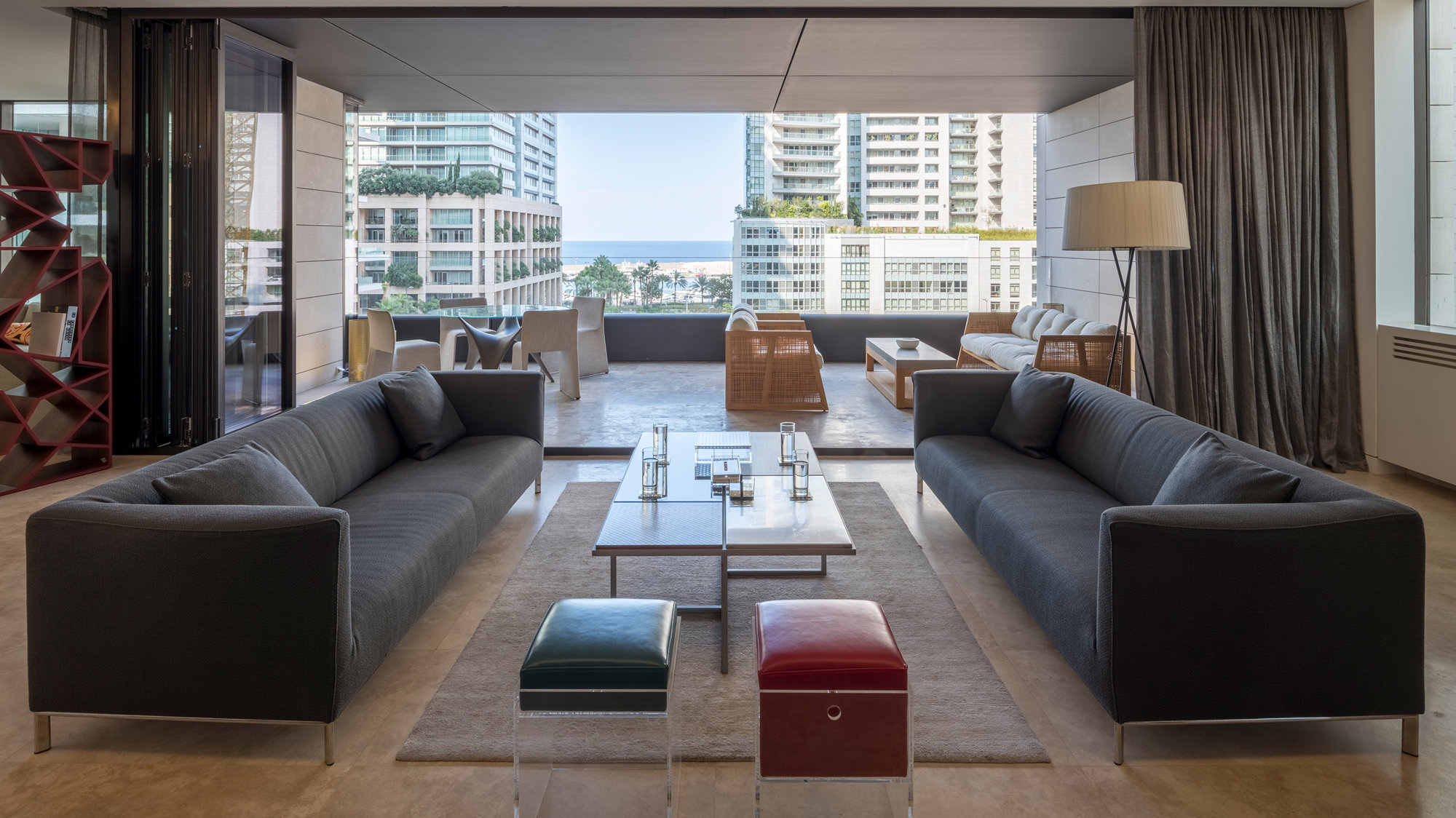
A practical guide to project furniture supply in Saudi Arabia, from FF&E selection and sample approval to production monitoring and quality control.

Project Furniture Supply, Furniture Supply in Saudi Arabia, Hotel Furniture Supply, FF&E Procurement