
Project management in Saudi Arabia does not become necessary when a project starts falling behind. Its real value begins before small decisions turn into major problems. An uncontrolled change, a delayed approval, or an outdated cost figure may initially seem minor, yet eventually place pressure on the schedule, budget, and execution at the same time.
Effective project management depends on controlling scope, schedule, cost, risks, procurement, stakeholders, and quality through an integrated monitoring system. The earlier a deviation is identified and a decision is made, the more effectively its impact on time, budget, and execution can be contained.
For this reason, construction project management is not about preventing every change or problem, which would be unrealistic. It is about establishing a process that makes the consequences of decisions visible before they become more costly. Ergün Group connects planning, coordination, cost management, and technical follow-up to maintain clearer project oversight throughout its different stages.
What Are the Key Project Management Challenges in Saudi Arabia?
The main challenges in project management in Saudi Arabia include uncontrolled scope changes, ineffective scheduling, cost deviations, delayed decisions, poorly coordinated procurement, reactive risk management, and inadequate quality control. These challenges rarely operate in isolation, as a single issue can affect the schedule, budget, and execution simultaneously.
The Saudi Contractors Authority Strategy also emphasizes developing quality standards, improving efficiency and communication among sector stakeholders, and raising the standard of project execution, all of which are directly relevant to effective project management.
1. Project Scope Changes Without Controlling Their Impact
Change itself is not necessarily the problem. The problem begins when a change to the design, materials, or scope of work is approved without evaluating its full impact.
Change Management should answer several clear questions: What exactly will change? How much will it add to the cost? Will it affect the schedule? Does it require changes to procurement or completed work? And who must approve the decision?
Without this visibility, Scope Creep can gradually turn into additional costs and work whose original cause becomes increasingly difficult to trace.
2. A Schedule That Does Not Reflect the Real Relationships Between Activities
Having a schedule does not automatically mean that a project is manageable from a time perspective. Scheduling should clearly show the sequence of activities, their dependencies, key Milestones, and the activities whose delay could affect subsequent stages.
A delay in an isolated activity may have limited consequences, while a delayed approval for a long-lead material could disrupt procurement, shipping, installation, and several related activities.
The schedule should therefore be updated according to actual project progress rather than remaining an initial plan that no longer reflects the reality on site.
3. Discovering Budget Overruns After the Opportunity to Act Has Passed
Project cost management is not simply about recording how much has already been spent. It is about understanding where the project cost is heading before a deviation becomes an actual overrun.
Effective Cost Control requires comparing the approved budget against expenditures, commitments, changes, and the forecast cost at completion. This makes it possible to identify pressure on a particular cost item and make an informed decision early, rather than waiting for a final report to reveal that the budget has already exceeded its target.
4. Delayed Decisions and Multiple Stakeholders
Engineering project management in Saudi Arabia typically involves multiple parties, including the client, consultant, designer, contractor, suppliers, and technical teams. A decision required from one party may directly affect another party's ability to proceed.
Effective Stakeholder Coordination therefore requires clearly defined responsibilities, approval workflows, outstanding decisions, and deadlines.
A project may appear to be experiencing an execution delay when the actual problem is a decision that was not resolved at the right time.
Through Ergün Group’s services, planning, coordination, cost management, and technical follow-up can be integrated within an approach that gives project owners greater visibility into the consequences of their decisions.
How Can You Prevent Project Challenges from Turning into Delays and Additional Costs?
Reducing delays and additional costs begins with early procurement planning, identifying and monitoring risks before they materialize, and integrating quality control into each stage of execution rather than leaving it until final inspection. These elements should be reviewed continuously against the schedule and budget because a deviation in one area can quickly affect the rest of the project.
5. Managing Procurement Only When Materials Are Already Needed on Site
One of the most consequential mistakes is treating Procurement as a process that begins only when a material is required on site.
Materials that require approval, manufacturing, or shipping need Procurement Planning based on their Lead Time and the construction schedule. Approval, ordering, production, shipping, and delivery dates should be established before the material becomes a critical activity.
When working with external suppliers, evaluating their ability to meet specifications and schedule requirements becomes part of project management itself. For a deeper look at this process, read: Building Material Supply from Turkey: How to Choose the Right Supplier for Your Project
6. Responding to Risks After They Occur Instead of Managing Them in Advance
Risk Management is not about predicting everything that might happen. It is about identifying potential events that could affect the project and preparing for them before they become actual problems.
Potential risks may include a delayed approval, an unprepared supplier, a design change, a long-lead material, or a coordination conflict between disciplines.
A risk register becomes more effective when each risk clearly identifies:
- The probability of occurrence.
- Its potential impact.
- The party responsible for monitoring it.
- The action required to reduce its impact.
- The timing for review and decision-making.
This transforms the Risk Register from a theoretical list into a practical decision-making tool.
7. Treating Quality as a Final Inspection
Quality Management does not begin when completed work is handed over. It starts with specifications, approvals, and samples before execution and continues throughout construction, inspection, and closeout.
The Saudi Building Code establishes a framework of requirements applicable to buildings, including scope, compliance, permits, and various technical requirements. Relevant regulatory and technical requirements should therefore be integrated into the design, execution, and review process rather than treated as a separate check at the end of the project.
In practice, Quality Assurance and Quality Control (QA/QC) should connect specifications, approvals, samples, execution, and inspection. Identifying non-conforming work before an element is installed has significantly less impact on time and cost than discovering the problem after the work has been completed.
From planning and coordination to execution follow-up, explore Ergün Group’s projects to discover selected work across different sectors and markets.
Frequently Asked Questions About Project Management in Saudi Arabia
What Are the Key Elements of Engineering Project Management in Saudi Arabia?
The core elements include defining project scope, planning and scheduling, cost management, risk management, procurement, stakeholder coordination, and quality management.
How Does Project Management Help Reduce Cost Overruns?
Effective project management helps reduce the risk of budget overruns by establishing a cost baseline, monitoring expenditures and commitments, controlling changes, and continuously updating financial forecasts.
What Is the Difference Between Project Management and Project Cost Management?
Project management is the broader framework covering scope, time, cost, quality, risk, procurement, and coordination between project stakeholders. Project Cost Management, by contrast, focuses specifically on the budget, commitments, changes, financial forecasts, and cost deviations throughout the project lifecycle.
When Should Project Management Begin?
Project management should begin before construction, starting with the definition of scope, objectives, budget, schedule, responsibilities, and key project risks.
Ultimately, a project does not need stronger management only after it falls behind. It needs clearer information and faster decisions before delays occur. The value of project management in Saudi Arabia becomes clear when the project owner can understand where the project stands, what has changed, how that change affects time and cost, and what decision needs to be made at the right moment.
Ergün Group connects planning, cost management, technical coordination, and project follow-up within an approach designed to maintain greater control over time, budget, and quality throughout the project lifecycle.
Do you need clearer visibility into your project’s time, cost, and risks?
Contact the Ergün Group team to discuss your project requirements and determine the appropriate scope of project and cost management services.
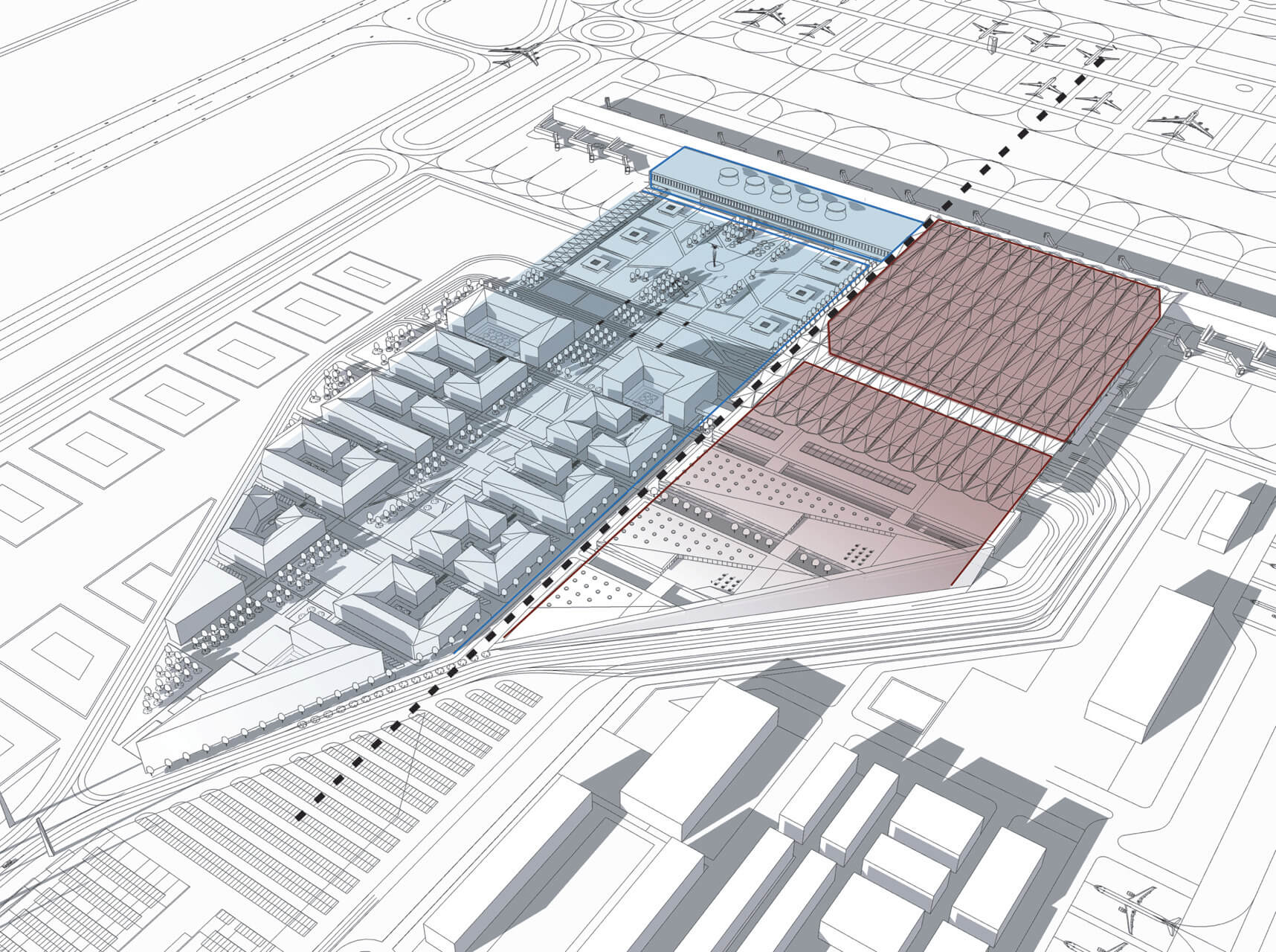
A practical guide to project management in Saudi Arabia, covering key challenges and how planning, cost, risk, and quality control help protect time and budget.

Project Management in Saudi Arabia, Engineering Project Management, Project Cost Management, Construction Project Management