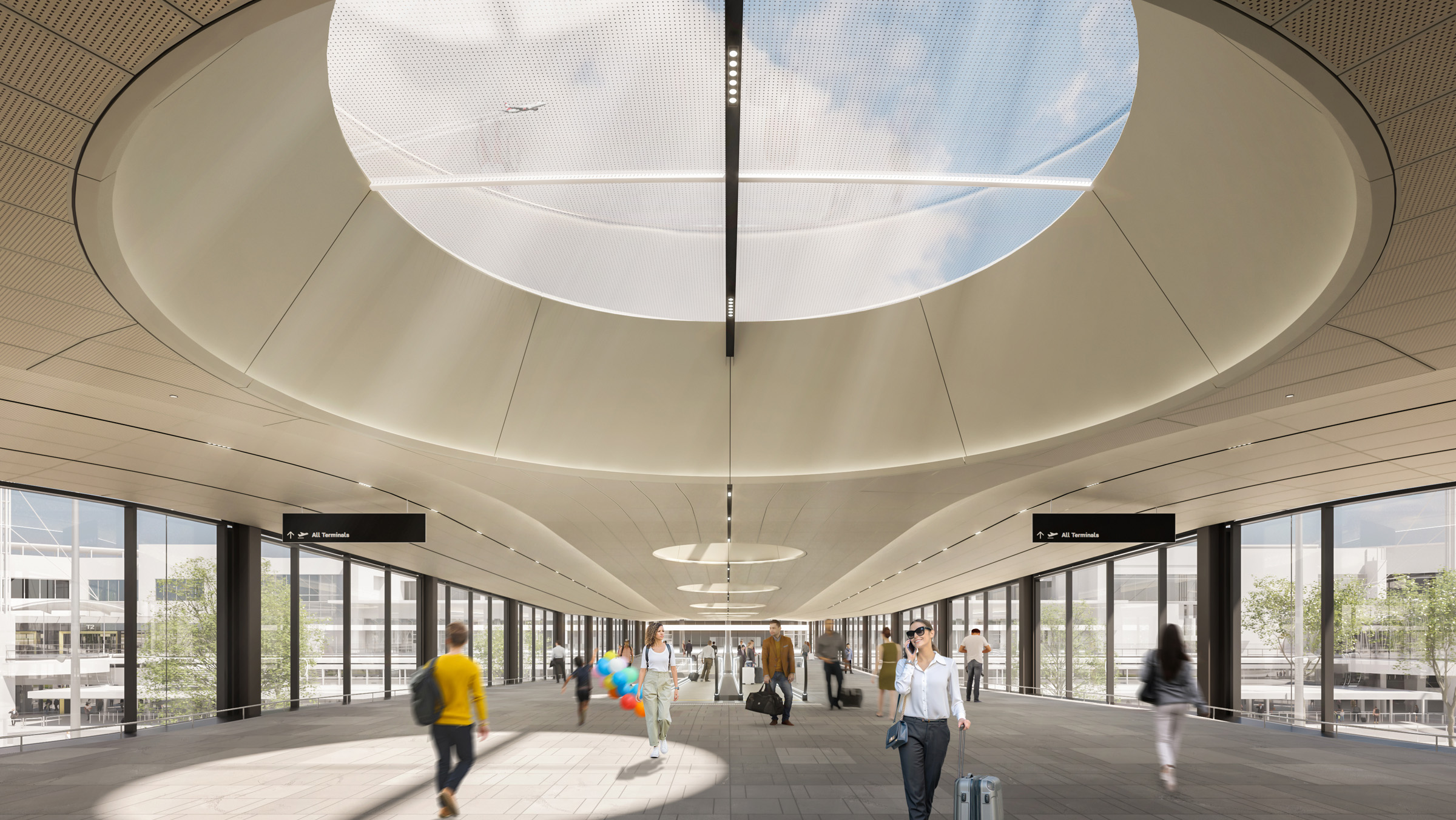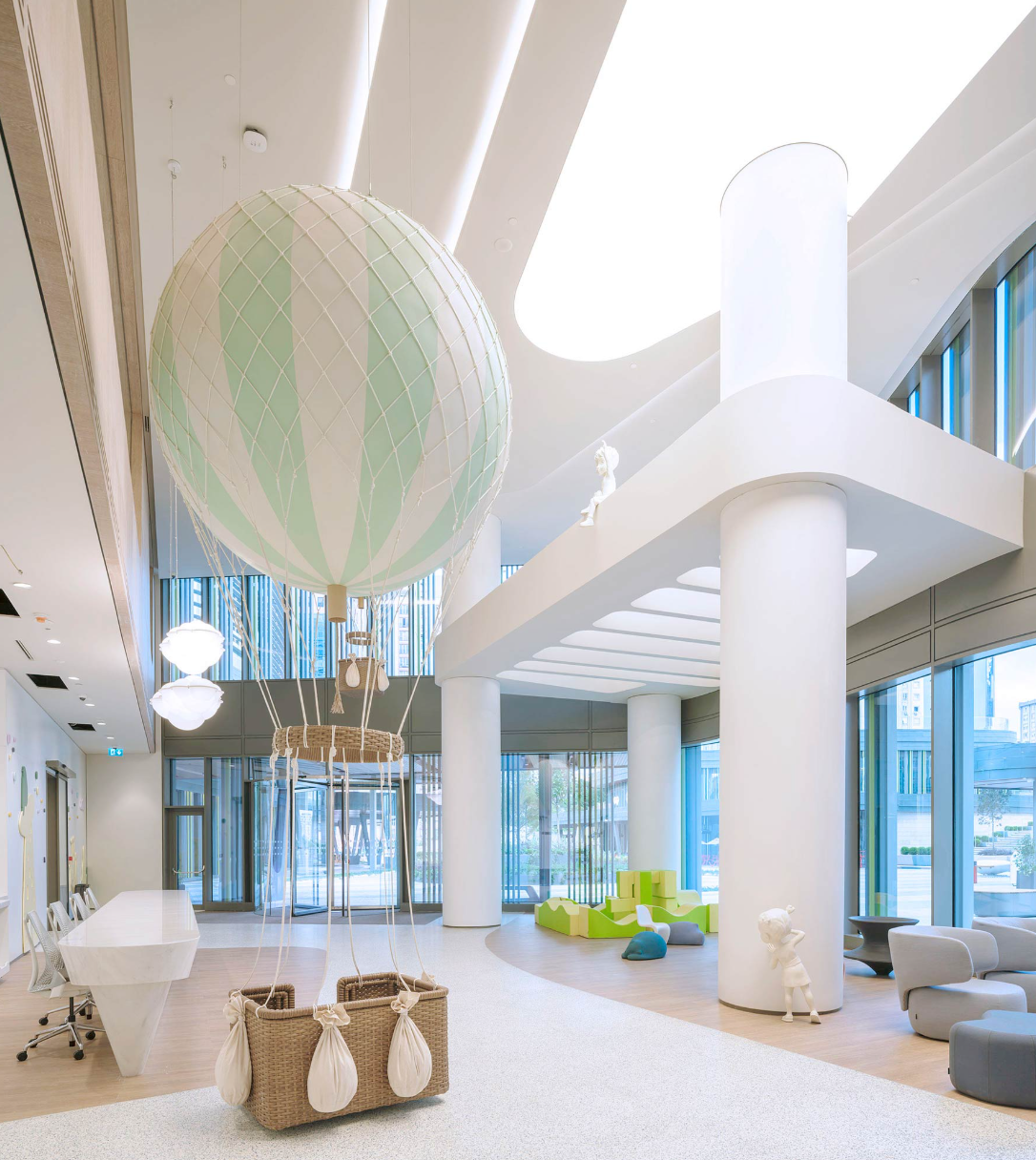
Hotel design in Saudi Arabia may look impressive in photographs, but visual appeal alone does not make a hotel successful. When guest circulation becomes complicated, spaces are difficult to operate, or materials deteriorate quickly, seemingly attractive design decisions can turn into daily operational challenges.
Successful hotel design balances guest experience and operational efficiency through thoughtful space planning and circulation, as well as the careful selection of lighting, materials, furniture, fixtures, and equipment. Each decision should reinforce the hotel’s identity while making its spaces more efficient to use, operate, and maintain.
For this reason, hospitality design treats the hotel as an integrated experience that begins with arrival and reception and continues through guestrooms, amenities, public areas, and services. This is where Ergün Group brings an engineering-led approach that connects design quality with the project’s actual operational and functional requirements.
How Does Hotel Design in Saudi Arabia Affect the Guest Experience?
Hotel design in Saudi Arabia shapes the guest experience through ease of movement, clear space planning, visual and functional comfort, and the quality of lighting, materials, and furniture. The Guest Experience begins at arrival and continues through guestrooms, corridors, and amenities, which means every design element should work as part of one coordinated system.
This approach is also aligned with the Saudi Ministry of Tourism’s focus on the guest journey, which places the visitor experience and comfort among the foundations of quality within the tourism sector.
Space Planning Shapes the Guest Journey Through the Hotel
Space Planning determines how guests move through and use the hotel. The journey from the entrance to reception, elevators, guestrooms, restaurants, and amenities should feel clear and intuitive rather than relying on signage to resolve confusing circulation later.
Effective planning considers:
- Arrival and reception points.
- Movement between public areas and guestrooms.
- Elevator and corridor distribution.
- Privacy within accommodation areas.
- The relationship between guest circulation and service routes.
The importance of these elements is also reflected in the Hotel Classification Criteria issued by the Saudi Ministry of Tourism, which address a range of requirements related to entrances, spaces, services, facilities, and the overall accommodation experience.
Lighting and Materials Shape the Experience Beyond Aesthetics
In hotel interior design, colors and materials do more than define how a space looks. They influence comfort, perception, atmosphere, and how the space is used.
Lighting at the reception desk serves a different purpose from lighting in a guestroom or restaurant. Similarly, materials and finishes should balance visual identity and comfort with the ability to withstand frequent use, cleaning, and maintenance.
For this reason, selecting a material simply because it looks luxurious is not enough. Its durability, maintenance requirements, suitability for the space, and expected intensity of use should also be evaluated.
FF&E Connects Hotel Identity with Everyday Use
Furniture, Fixtures & Equipment (FF&E) directly influence how guests experience and use a space, from beds, seating, and desks to reception, restaurant, and shared-area furnishings.
In luxury hotel design in particular, FF&E should balance identity, comfort, durability, and operational practicality rather than being treated as a decorative layer added after the design is complete.
The success of a Hotel Interior therefore depends on how effectively interior design, materials, furniture, and technical details are coordinated. For more on selecting the right design partner, read: Interior Design Company in Turkey: How to Choose the Right Partner for Your Project
Through Ergün Group’s services, design decisions, technical coordination, materials, and FF&E can be developed within an integrated approach that connects spatial quality with the project’s actual requirements.
How Can Hotel Design Improve Operational Efficiency Without Compromising Guest Experience?
Operational Efficiency is achieved when space planning, circulation, materials, and FF&E support the hotel’s daily operations without compromising guest comfort. This includes carefully separating guest and service circulation, simplifying maintenance, selecting materials that withstand intensive use, and incorporating operational requirements into the design from the beginning.
Separate Guest and Service Circulation Without Disconnecting the Design
A hotel relies on two environments operating simultaneously: the areas guests see and use, known as the Front of House (FOH), and the operational Back of House (BOH) areas supporting staff movement, storage, housekeeping, and other services.
Separating them does not mean designing them in isolation. The objective is to organize their relationship so that services can reach the required areas efficiently without creating unnecessary conflicts with guest circulation.
For this reason, Service Circulation should be studied alongside the Guest Journey during the planning stage rather than added after the primary spaces have already been fixed.
Select Materials for Use and Maintenance, Not Appearance Alone
Hotels experience continuous and intensive use, so material-selection criteria differ from those of lower-traffic projects. An attractive floor that requires constant maintenance, or a finish that deteriorates quickly, can become an ongoing operational cost.
Material selection should balance:
- Appearance and brand identity.
- Durability and resistance to frequent use.
- Ease of cleaning and maintenance.
- Suitability for the intended space.
- Ease of replacement when required.
Design decisions should also account for applicable project requirements and regulations. The Saudi Building Code includes requirements related to accessibility, indoor environments, lighting, and other considerations relevant to the development of buildings and their spaces.
When moving from material selection to procurement, you can also read: Building Material Supply from Turkey: How to Choose the Right Supplier for Your Project
Coordinate Design, FF&E, and Operations Before Construction
The later coordination between design, FF&E, and technical requirements takes place, the greater the likelihood that decisions will need to be revised during construction.
Furniture and equipment dimensions and locations, electrical and mechanical requirements, circulation around individual elements, and maintenance access should therefore be reviewed before the final design is approved.
Before approving a hotel design, ask:
- Is the guest journey clear from the moment of arrival?
- Are service routes planned away from the guest experience?
- Are the materials suitable for the expected intensity of use?
- Does the lighting support the function of each space?
- Does the FF&E balance comfort, durability, and operational needs?
- Can building elements and services be accessed easily for maintenance?
From design and technical coordination to developing solutions tailored to individual project requirements, explore Ergün Group’s projects and discover selected work across different sectors and markets.
Frequently Asked Questions About Hotel Design in Saudi Arabia
What Are the Most Important Elements of Hotel Design in Saudi Arabia?
The key elements include space planning and circulation, guest experience, lighting, materials and finishes, FF&E, and operational and maintenance requirements. These elements should work together to support both the hotel’s identity and its everyday functionality.
What Is the Difference Between Hotel Design and Traditional Interior Design?
Hotel design considers guest experience, operations, brand identity, durability, and service circulation alongside aesthetics. Interior design alone may focus more heavily on the organization and quality of interior spaces, while hospitality projects require broader coordination between design and operational requirements.
How Should Finishing Materials Be Selected for Hotels?
Finishing materials should be selected according to the nature of the space, traffic intensity, durability, cleaning and maintenance requirements, as well as appearance and brand identity. A material suitable for a guestroom, for example, may not be appropriate for a high-traffic lobby or corridor.
What Is the Role of FF&E in Hotel Design?
FF&E includes furniture, fixtures, and equipment that directly influence how spaces are used, guest comfort, and the hotel’s identity. These elements should be selected and coordinated according to dimensions, function, durability, operational requirements, and maintenance needs rather than appearance alone.
Ultimately, successful hotel design in Saudi Arabia is not simply about making spaces more luxurious. It is about ensuring that guest experience and hotel operations work together from the earliest design decisions.
Ergün Group connects design with engineering decisions, materials, FF&E, and project requirements to develop hospitality spaces that are both visually considered and operationally practical.
Are you developing a hotel or hospitality project in Saudi Arabia?
Contact the Ergün Group team to discuss your project requirements and identify the engineering and design services best suited to your project.
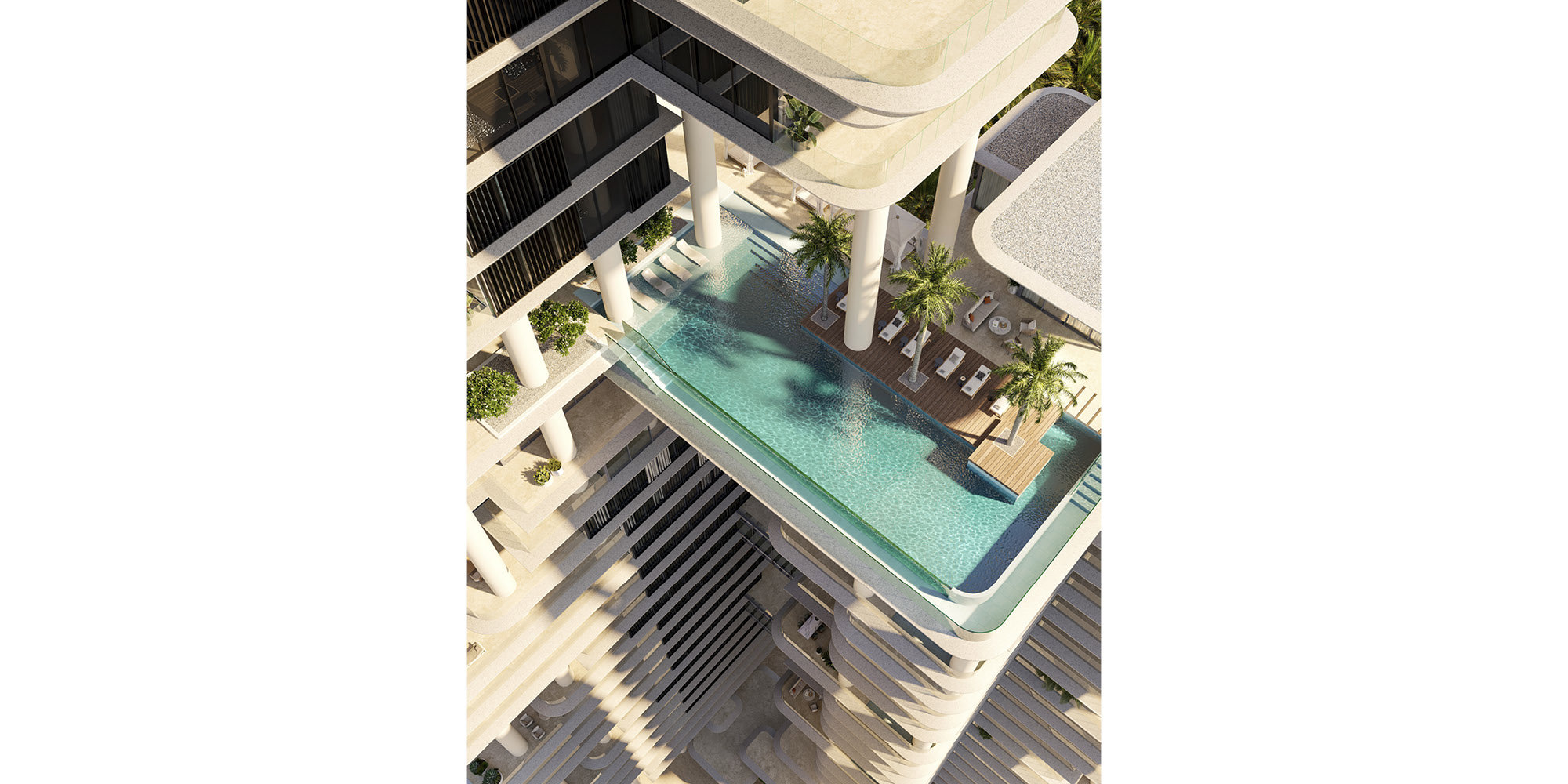
A practical guide to hotel design in Saudi Arabia, exploring how space planning, materials, and FF&E balance guest experience with operational efficiency.
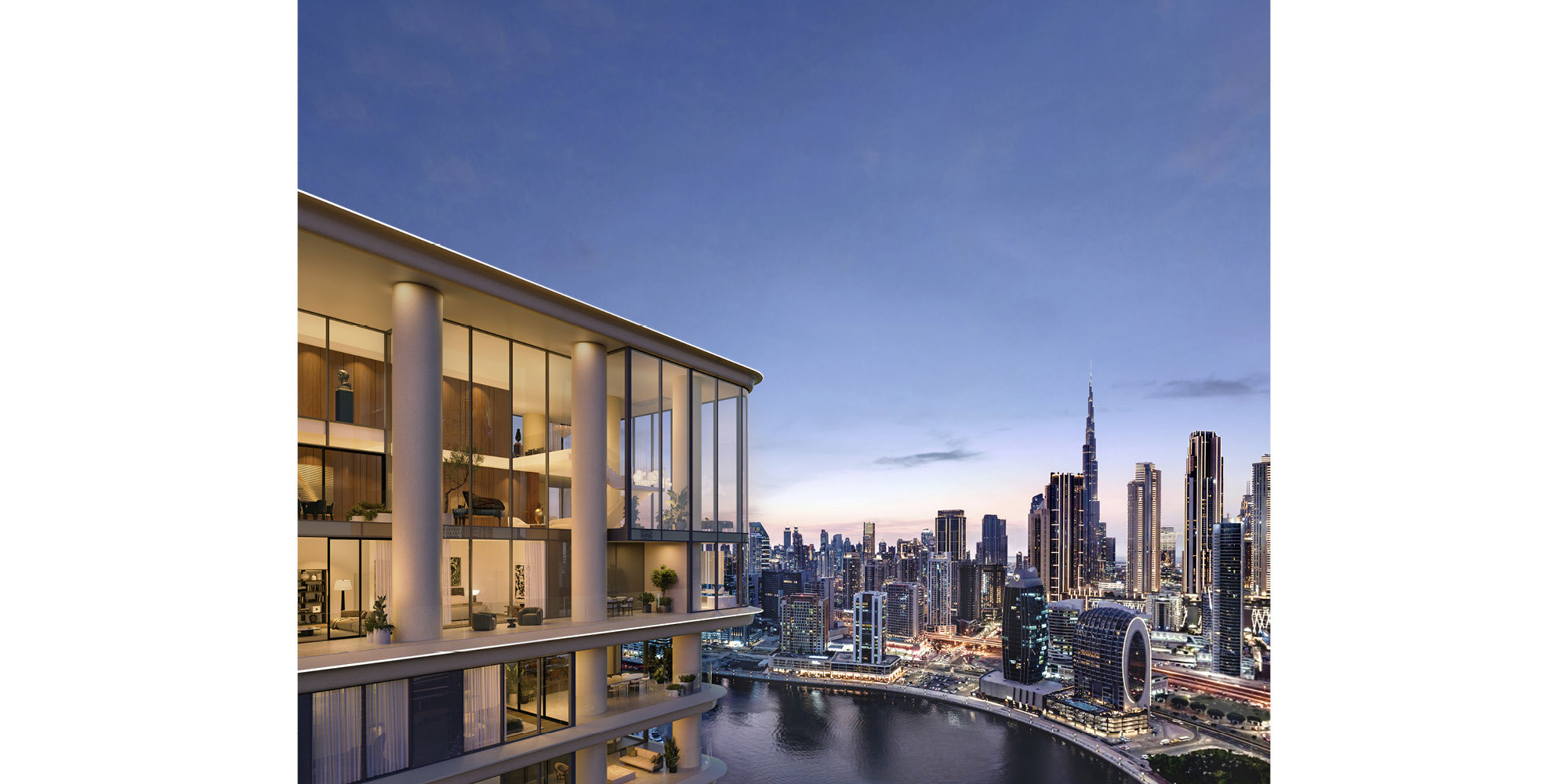
Hotel Design in Saudi Arabia, Hospitality Design, Hotel Interior Design, Guest Experience